Journaling has evolved from simple diary-keeping into a powerful tool for mental wellness and personal development. What once consisted of basic "Dear Diary" entries has transformed into structured, guided journaling practices that millions use to navigate life's challenges, process emotions, and achieve personal growth.
The rise of guided journaling reflects our growing understanding of mental health and self-care. Unlike traditional free-form journaling, guided journals provide prompts, frameworks, and structured approaches that help people dive deeper into their thoughts and experiences. Research consistently shows that regular journaling can reduce stress, improve mood, boost immune function, and enhance overall well-being.
However, many people struggle to maintain a consistent journaling practice or feel frustrated with their results. The truth is, there are common mistakes that can derail your journaling journey before it truly begins. This comprehensive guide will help you identify and avoid these pitfalls, ensuring your guided journaling practice becomes a source of clarity, growth, and healing rather than stress or disappointment.
Mistake 1: Striving for Perfection
The Perfectionism Trap
One of the most damaging mistakes new journalers make is approaching their practice with perfectionist expectations. They believe every entry must be profound, beautifully written, or provide earth-shattering insights. This mindset creates an impossible standard that leads to frustration and abandonment of the practice altogether.
Perfectionism in journaling manifests in several ways:
- Agonizing over word choice and sentence structure
- Feeling disappointed when entries seem "boring" or mundane
- Avoiding writing altogether when you don't feel inspired
- Comparing your entries to others' published journal excerpts
- Constantly editing and rewriting instead of flowing freely
Embracing Authenticity Over Perfection
The most powerful journaling happens when you embrace authenticity over perfection. Your journal is not a literary masterpiece in progress—it's a tool for self-discovery and emotional processing. Some of your most valuable entries might be messy, repetitive, or seemingly insignificant.
How to overcome perfectionism:
- Set a timer for 10-15 minutes and write continuously without editing
- Use the "stream of consciousness" approach—write exactly what comes to mind
- Remember that your journal is private and judgment-free
- Focus on consistency rather than quality
- Celebrate the act of showing up, regardless of what you write
The goal is progress, not perfection. Each entry, no matter how imperfect, contributes to your self-awareness and emotional well-being.
Mistake 2: Holding Yourself Back
The Honesty Barrier
Many journalers unconsciously self-censor, even in their private writing. They hold back their true thoughts and emotions, perhaps out of habit from social interactions where we filter our expressions. This self-restraint defeats the primary purpose of journaling: creating a safe space for complete honesty and emotional expression.
Common ways people hold themselves back include:
- Writing what they think they "should" feel rather than what they actually feel
- Avoiding "negative" emotions like anger, jealousy, or sadness
- Glossing over difficult topics or traumatic experiences
- Using vague language instead of specific, honest descriptions
- Worrying about potential judgment, even though no one else will read it
Creating Your Safe Space
Your journal should be the one place where you can be completely, unapologetically yourself. This means acknowledging all emotions—both light and dark—without judgment or modification.
Strategies for authentic expression:
- Start each session by reminding yourself that this is your private space
- Use specific, descriptive language about your emotions
- Write about what you're really thinking, not what you wish you were thinking
- Include the messy, complicated aspects of your experiences
- Practice self-compassion when difficult emotions arise
Remember, acknowledging negative emotions doesn't make them more powerful—it actually helps you process and release them more effectively.
Mistake 3: Transforming Your Journal into a Negative Space
The Emotional Imbalance Trap
While honesty about difficult emotions is crucial, some journalers fall into the opposite extreme: using their journal exclusively as a dumping ground for negativity. When journaling becomes solely focused on problems, complaints, and negative experiences, it can actually reinforce negative thinking patterns rather than promote healing and growth.
Signs your journal has become too negative:
- Every entry focuses on what went wrong
- You rarely acknowledge positive experiences or gratitude
- Reading past entries consistently brings you down
- You use journaling only when you're upset or frustrated
- Your entries lack any reflection on solutions or silver linings
Creating Emotional Balance
Effective journaling acknowledges the full spectrum of human experience—both challenges and celebrations, struggles and victories, fears and hopes.
Ways to balance your journaling:
- Include at least one positive observation in each entry
- Dedicate specific prompts to gratitude and appreciation
- Write about small victories and daily pleasures
- Reflect on lessons learned from difficult experiences
- Note personal growth and positive changes over time
- Use prompts that encourage future-focused, optimistic thinking
A balanced journal becomes a more accurate reflection of your life and a more powerful tool for maintaining perspective during difficult times.
Mistake 4: Buying The Wrong Supplies
The Generic Journal Problem
Many people begin their journaling journey with generic notebooks or guided journals that don't align with their specific needs, life stage, or personal goals. While any journal is better than none, using a guided journal that resonates with your current circumstances can significantly enhance the effectiveness of your practice.
Common supply mistakes include:
- Choosing journals with prompts that don't relate to your current challenges
- Buying notebooks that are too large or cumbersome for daily use
- Selecting journals focused on life stages you've already passed
- Using digital apps that don't match your preferred learning style
- Investing in expensive supplies that create pressure to use them "perfectly"
Finding Your Perfect Match
The right journal should feel like it was designed specifically for your current journey. When prompts and exercises align with your real-life experiences, journaling becomes more engaging and productive.
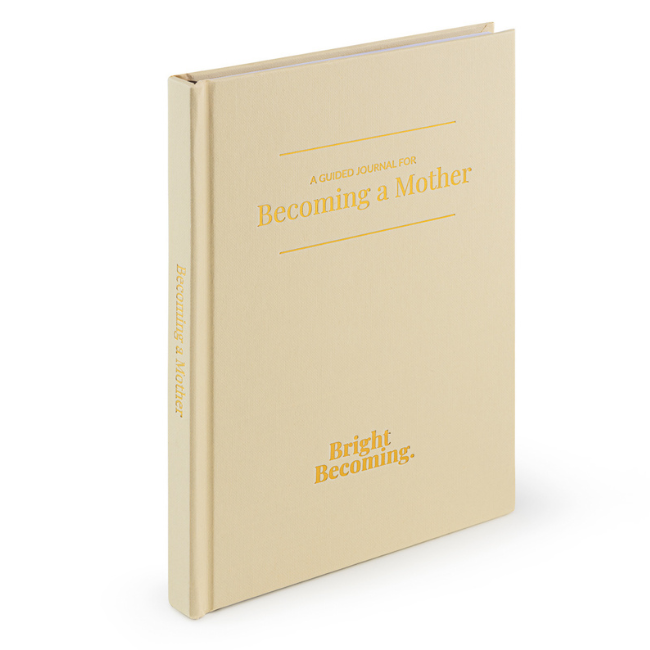
Bright Becomings Guided Journals offer specialized options for different life stages and emotional growth.
Consider your current primary challenges and choose a journal that directly addresses those areas. This targeted approach ensures that every journaling session provides relevant insights and practical tools for your specific situation.
Mistake 5: Journaling at Inconvenient Times
The Timing Trap
Many people choose journaling times based on when they think they "should" journal rather than when it actually works best for their lifestyle and energy levels. This mismatch often leads to skipped sessions and eventual abandonment of the practice.
Common timing mistakes:
- Choosing morning journaling when you're naturally rushed or groggy
- Planning evening sessions when you're typically exhausted
- Setting unrealistic time commitments that don't fit your schedule
- Trying to journal during family time or other competing priorities
- Failing to account for seasonal or life changes that affect your routine
Finding Your Optimal Time
The best journaling time is whenever you can be consistent, focused, and relatively undisturbed. This might be different from what works for others, and that's perfectly fine.
Consider these timing options:
- Early morning: Before the day's demands begin, when your mind is clear
- Lunch breaks: A midday reset that can improve your afternoon mood
- Evening wind-down: Processing the day before sleep
- Weekend sessions: Longer, more reflective entries when you have extra time
- Transition moments: During commutes, waiting periods, or between activities
Tips for timing success:
- Start with just 5-10 minutes to make it manageable
- Build journaling into existing routines (after coffee, before bed)
- Be flexible and adjust as your life circumstances change
- Use phone reminders or habit-stacking to maintain consistency
- Have a backup plan for busy days (even one sentence counts)
Remember, consistency matters more than duration. Five minutes of regular journaling will benefit you more than hour-long sessions that happen sporadically.
Mistake 6: Lack of Self-Analysis
Surface-Level Writing
One of the most common missed opportunities in journaling is staying at the surface level without diving deeper into self-analysis and reflection. Many people simply record events without exploring their thoughts, feelings, and reactions to those events.
Surface-level journaling looks like:
- "Today I went to work, had lunch with Sarah, and watched TV"
- "I'm feeling stressed but I don't know why"
- "Had a fight with my partner about money again"
- "Work was hard today"
While recording events has value, the real growth happens when you analyze your experiences, emotions, and patterns.
Developing Self-Analysis Skills
Meaningful journaling involves asking yourself probing questions and exploring the "why" behind your experiences and reactions.
Self-analysis prompts to deepen your entries:
- What emotions did I experience today, and what triggered them?
- How did I handle challenges, and what does this reveal about my coping style?
- What patterns am I noticing in my relationships or reactions?
- What assumptions or beliefs influenced my decisions today?
- How did my actions align with my values and goals?
- What did I learn about myself from today's experiences?
- How might I approach similar situations differently in the future?
Tools for deeper reflection:
- The "Why" ladder: Keep asking "why" to dig deeper into your motivations
- Emotion mapping: Identify the specific emotions behind general feelings like "stressed" or "happy"
- Pattern recognition: Look for recurring themes across multiple entries
- Values alignment: Regularly assess how your actions match your stated values
- Future self dialogue: Write conversations between your current and future self
Self-analysis transforms journaling from passive recording to active self-discovery and personal development.
Mistake 7: Poor Data Protection (for Digital Journals)
Digital Security Risks
As digital journaling becomes increasingly popular through apps and online platforms, many users overlook the critical importance of protecting their most personal and sensitive information. Digital journals often contain intimate thoughts, relationship details, mental health struggles, and other highly private content that could cause significant harm if accessed by others.
Common digital security mistakes include:
- Using unsecured apps without encryption
- Storing journal files in unprotected cloud storage
- Using weak or reused passwords for journaling apps
- Journaling on shared devices without proper logout procedures
- Failing to regularly back up digital entries
- Not understanding the privacy policies of journaling platforms
Protecting Your Digital Journal
Your digital journal deserves the same privacy protection as your physical diary, if not more, given the ease with which digital information can be copied and shared.
Essential security measures:
- Choose encrypted platforms: Use apps that offer end-to-end encryption
- Strong, unique passwords: Create complex passwords specifically for your journaling accounts
- Two-factor authentication: Enable additional security layers when available
- Regular backups: Maintain secure copies of your entries
- Private browsing: Use incognito mode for web-based journaling
- Device security: Ensure your phone or computer has password/biometric protection
Recommended security practices:
- Read privacy policies carefully before choosing a platform
- Regularly review and delete unnecessary digital traces
- Consider offline journaling apps that don't sync to the cloud
- Use password managers to maintain strong, unique passwords
- Be cautious when journaling on public Wi-Fi networks
- Regularly audit your digital security practices
Remember, once your personal thoughts are compromised digitally, it's nearly impossible to regain complete privacy. Prevention is always better than dealing with a security breach. Considering if a digital or paper journal is best? Explore the pros and cons for both.
Mistake 8: Rigid Approach to Goals
The Inflexibility Problem
Many journalers set strict goals around their practice—writing every day for a specific amount of time, following prompts exactly as written, or achieving particular outcomes within set timeframes. While goals can provide motivation, overly rigid expectations often lead to guilt, frustration, and eventual abandonment when life inevitably interferes.
Signs of too-rigid goal setting:
- Feeling guilty when you miss a day or write less than planned
- Abandoning the practice entirely after breaking your "streak"
- Following prompts that no longer feel relevant or helpful
- Forcing yourself to write when you're genuinely too busy or exhausted
- Measuring success only by quantity rather than quality or consistency
Embracing Adaptive Goal Setting
Effective journaling goals should be flexible enough to accommodate real life while still providing structure and motivation. The goal is to support your well-being, not create additional stress.
Flexible goal-setting strategies:
- Minimum viable practice: Set a very low baseline (like one sentence) that you can maintain even on difficult days
- Progress over perfection: Focus on overall consistency rather than perfect streaks
- Seasonal adjustments: Modify your practice based on life circumstances, work demands, or emotional needs
- Multiple options: Have different types of entries for different time constraints or energy levels
- Outcome flexibility: Allow your journaling goals to evolve as you grow and change

Examples of adaptive goals:
- "I'll aim to journal most days, but I'll be compassionate with myself when life gets overwhelming"
- "I'll write at least one sentence daily, with longer entries when I have time and energy"
- "I'll use my guided journal prompts as suggestions, adapting them to fit my current needs"
- "I'll check in with my journaling practice monthly and adjust as needed"
Remember, your journaling practice should serve you, not the other way around. Be willing to modify your approach as your life and needs change.
Mistake 9: Criticizing Your Thoughts
The Inner Critic Problem
One of the most counterproductive habits in journaling is becoming your own harshest critic. This manifests as judging your thoughts while writing, criticizing your grammar or style, or feeling embarrassed about the content of your entries. This internal criticism creates barriers to honest expression and defeats the therapeutic purpose of journaling.
Common self-criticism patterns include:
- Editing thoughts before writing them down
- Worrying about grammar, spelling, or handwriting quality
- Judging emotions as "wrong" or "silly"
- Comparing your entries to published examples
- Feeling embarrassed about recurring thoughts or concerns
- Criticizing yourself for not having more "interesting" or "insightful" entries
Cultivating Self-Acceptance
Your journal is a judgment-free zone where all thoughts and feelings are welcome and valid. The goal is authentic expression, not literary excellence or emotional perfection.
Strategies for reducing self-criticism:
- Write first, edit never: Focus on getting thoughts out without censoring
- Embrace imperfection: Let grammar mistakes and messy handwriting exist
- Validate all emotions: Remind yourself that all feelings are information, not judgments on your character
- Use compassionate language: Write to yourself as you would a good friend
- Practice the "rough draft" mentality: Remember that journal entries aren't final versions
- Celebrate authenticity: Recognize honest expression as valuable, regardless of how it sounds
Self-compassion prompts:
- "What would I tell a friend experiencing these same thoughts?"
- "How can I be kinder to myself in this moment?"
- "What does this emotion or thought tell me about what I need right now?"
- "How is this perfectly human response helping me understand myself better?"
Remember, your inner critic often speaks louder than necessary. Learning to quiet that voice in your journal can help you develop more self-compassion in all areas of life.
Additional Tips for Better Journaling
Practical Enhancement Strategies
Beyond avoiding common mistakes, there are several simple strategies that can enhance your journaling experience and make your practice more enjoyable and sustainable.
Creative organization ideas:
- Memory envelopes: Tape small envelopes into your journal to store ticket stubs, photos, or other mementos from meaningful days
- Color coding: Use different colored pens for different types of entries or emotions
- Monthly themes: Dedicate each month to exploring a specific area of your life or personal development goal
- Seasonal reflections: Create special entries for birthdays, anniversaries, or seasonal transitions
Practical preparation tips:
- Contact information: Write your name and contact information in the front of physical journals in case they're lost
- Keep supplies handy: Maintain a designated journaling space with your preferred pens and journals
- Backup plans: Have a small notebook or phone app for journaling when away from your main journal
-
Review previous entries: Reviewing your previous journal entries can help you see how far you've come in your personal growth journey.
Community and sharing considerations:
- Private vs. shared: Decide which entries are purely private and which you might want to share with trusted friends or therapists
- Professional integration: Consider sharing relevant insights with counselors or coaches working with you on personal development
- Family legacy: Think about which entries might be meaningful to family members in the future
These small enhancements can make journaling feel more special and integrated into your daily life while maintaining the practice's core benefits.
Conclusion
Guided journaling is one of the most accessible and effective tools for personal growth, emotional healing, and self-discovery. However, like any valuable practice, it requires awareness of common pitfalls that can derail your progress or diminish the benefits.
The ten mistakes outlined in this guide—from perfectionism and self-censorship to poor timing and rigid goal-setting—are easily avoidable once you recognize them. The key insights to remember are:
Authenticity trumps perfection in every journaling session. Your honest, imperfect thoughts are infinitely more valuable than polished, censored entries.
Balance and flexibility create sustainable practices that can adapt to your changing life circumstances and needs.
Self-compassion is essential for maintaining a judgment-free space where genuine growth and healing can occur.
Appropriate tools and timing can significantly enhance your experience and consistency.
Security and privacy protect your vulnerable thoughts and maintain the safe space that effective journaling requires.
Your journaling journey is unique, and what works for others may not work perfectly for you. Be patient with yourself as you discover your preferred style, timing, and approach. Remember that every entry—no matter how brief or seemingly mundane—contributes to your self-awareness and emotional well-being.
The most important step is simply beginning and staying curious about your inner world. Your future self will thank you for the insights, patterns, and emotional growth that consistent journaling provides.