Journaling is one of the most powerful tools for self-reflection and personal growth, yet many people struggle to maintain a consistent practice. If you've ever stared at a blank page wondering what to write, you're not alone.
Here's what the research tells us about journaling:
- 50% of people have tried journaling at some point in their lives
-
Only 17% actively maintain a consistent journaling practice
- Blank page anxiety affects even experienced writers, making it harder to start with a blank page.
- Physical writing activates multiple brain regions simultaneously, creating stronger neural pathways than typing
- Regular journaling can reduce stress, improve immune function, and enhance overall well-being
The gap between wanting to journal and actually doing it consistently often comes down to one key challenge: not knowing where to start. This is exactly where guided journals come in—offering structure and direction when facing that overwhelming blank page.
Rather than leaving you to figure out what to write about, guided journals provide carefully crafted prompts and frameworks that make journaling accessible, engaging, and transformative. Whether you're a complete beginner or someone who's tried journaling before without success, guided journals offer a supportive path forward.

Definition: What Is a Guided Journal?
A guided journal is a structured journaling tool that provides prompts, questions, exercises, and frameworks to direct your writing and self-reflection. Unlike traditional blank journals that offer complete creative freedom, guided journals act as a gentle facilitator, offering specific pathways for exploration and discovery.
Think of the difference this way: a blank journal is like being given a canvas and paints with complete artistic freedom, while a guided journal is like having a skilled art instructor who provides techniques, subjects, and gentle guidance while still allowing your unique voice and perspective to shine through.
Common features of guided journals include:
- Thoughtful prompts that spark introspection
- Themed questions organized around specific topics or goals
- Visual layouts with designated spaces for different types of responses
- Progressive structure that builds upon previous entries
- Inspirational quotes or affirmations
- Check-in sections for tracking progress or mood
Why Use a Guided Journal?
Some studies suggest that structured journaling practices may be linked with modest improvements in well-being measures compared to control groups. For example, research has noted potential benefits for stress, anxious feelings, and even coping with difficult experiences. While results vary across studies, many people find that using guided prompts makes it easier to access these potential benefits and build a sustainable journaling habit.
Clarity and Direction in Self-Reflection
When you're processing complex emotions or life situations, guided journals provide a roadmap for exploration. Instead of circling around vague feelings, specific prompts help you dive deeper and uncover insights you might not have discovered on your own. There are 6 surprising benefits of guided journaling that many people don't initially consider when starting their practice.
Encourages Consistency and Habit-Building
The structure of guided journals makes it easier to maintain a regular practice. When you know exactly what to write about each day, you're more likely to show up consistently, transforming journaling from an occasional activity into a sustainable habit. However, it's important to avoid common pitfalls—learn about the 9 most common guided journaling mistakes that can derail your practice before it begins.
Boosts Emotional Awareness and Growth
Carefully crafted prompts are designed to increase emotional intelligence and self-awareness. They guide you to examine patterns in your thinking, recognize triggers, and celebrate growth in ways that might not occur naturally in free-form writing. For busy parents, this can be especially valuable—creating space for yourself through guided journaling can transform how you process daily challenges.
Alleviates Creative and Emotional Blocks
Writer's block isn't just for authors—it affects anyone trying to express themselves on paper. Guided journals eliminate the paralysis of choice by providing clear starting points, making it easier to access and articulate your thoughts and feelings.
Offers Therapeutic and Meditative Benefits
Many guided journals incorporate principles from cognitive behavioral therapy, mindfulness, and positive psychology. This transforms your journaling practice into a form of self-care that actively supports your mental and emotional well-being.
What Makes Guided Journals Unique?
Variety of Journaling Intentions
Unlike one-size-fits-all approaches, guided journals are often tailored to specific life areas or goals. Whether you're working through grief, building self-confidence, or planning your career path, there's likely a guided journal designed specifically for your needs.
Structured Time Frames
Many guided journals are designed as complete journeys—30-day challenges, 90-day transformations, or year-long explorations. This structure provides a sense of progression and accomplishment that can be highly motivating. Learning how to review and reflect on past entries becomes an essential skill for maximizing these structured experiences.
Multimedia Elements
Modern guided journals often incorporate various elements beyond writing prompts, including spaces for drawing, gratitude lists, goal tracking, mood monitoring, and even photo placement. This variety keeps the practice engaging and accommodates different learning and expression styles.
Different Types of Guided Journals
Goal-Focused Journals
These journals are designed around specific achievements or life areas such as fitness tracking, career development, financial planning, or productivity enhancement. They often include goal-setting frameworks, progress tracking, and accountability check-ins.
Emotional and Mental Wellness Journals
Perhaps the most popular category, these journals are designed to help people explore their feelings, cultivate gratitude, and reflect on life’s ups and downs. Many draw inspiration from mindfulness practices and self-reflection techniques, offering prompts that encourage self-awareness and balance. For mothers, guided journaling can be particularly powerful for celebrating wins along the journey of parenthood.
Spiritual and Personal Growth Journals
These explore deeper questions of identity, purpose, and personal development. They might guide you through shadow work, self-love practices, manifestation techniques, or spiritual exploration, depending on your beliefs and interests.
Creative Expansion Journals
Designed for artists, writers, and creative individuals, these journals focus on inspiration, idea generation, creative problem-solving, and overcoming creative blocks. They often include exercises that stretch your imagination and artistic thinking.
Legacy and Memory Preservation Journals
These journals help capture and preserve important life moments and relationships. Examples include baby books with guided prompts for new parents, travel journals with structured reflection questions, or anniversary journals for couples to explore their relationship journey together.
How to Choose the Right Guided Journal
Identify Your Personal Goals or Focus
Start by asking yourself what you hope to gain from journaling. Are you looking to process difficult emotions, build healthier habits, explore your creativity, or work toward specific goals? Your primary intention will help narrow down the type of guided journal that will serve you best.
Match Journal Structure with Your Personality
Consider whether you thrive with highly structured formats or prefer more flexibility. Some guided journals provide detailed daily prompts, while others offer weekly themes with more open-ended exploration. Choose a structure that feels supportive rather than restrictive.
Physical vs. Digital Options
Traditional paper journals offer the tactile experience that many find soothing and memorable, and research suggests they may provide additional cognitive benefits. Since handwriting activates multiple brain regions simultaneously and creates stronger neural pathways than typing, physical guided journals may offer enhanced therapeutic and developmental benefits. However, digital guided journals provide convenience, searchability, and often interactive features. Consider your lifestyle, preferences, and desired outcomes when making this choice. For a deeper dive into this decision, read our complete guide on digital or paper guided journals.
How to Start a Guided Journaling Practice
Choose Your Optimal Time
Identify when you're most receptive to reflection. Many people find morning journaling sets a positive tone for the day, while others prefer evening sessions to process and wind down. Experiment to find what works best for your schedule and energy levels.
Create a Simple, Comforting Ritual
Establish a pleasant environment around your journaling practice. This might include making a cup of tea, lighting a candle, playing soft music, or simply finding a quiet, comfortable spot. These small rituals signal to your brain that it's time for reflection and self-care.
Treat It Like a Conversation with Yourself
Don't overthink your responses or worry about perfect grammar or profound insights. Approach each prompt as if you're having an honest conversation with a trusted friend—yourself. Authenticity is more valuable than eloquence.
Start Small
Begin with just 5-10 minutes per session. This makes the practice feel manageable and sustainable rather than overwhelming. As the habit becomes established, you can naturally extend the time if desired.
Embrace Consistency Over Perfection
Aim for regular practice rather than perfect attendance. If you miss a day or even a week, simply return to your journal without self-judgment. The goal is to create a supportive practice, not another source of stress or guilt.

Sample Guided Journal Prompts
To give you a taste of what guided journaling looks like, here are some thoughtful prompts across different themes:
For Emotional Processing: "What is one thing I need to let go of today, and what would it feel like to release it?"
For Mindfulness and Peace: "When do I feel most at peace? Describe this feeling in detail and consider how I can create more of these moments."
For Self-Recognition: "Describe a moment that made you feel proud recently. What does this reveal about your values and strengths?"
For Future Visioning: "If I could send a message of encouragement to myself one year from now, what would I want to say?"
For Gratitude and Appreciation: "What ordinary moment from today am I grateful for, and why did it stand out to me?"
Common Misconceptions About Guided Journals
"They're Just for Beginners"
While guided journals are indeed excellent for those new to journaling, they're equally valuable for experienced writers and reflectors. Even seasoned journal-keepers can benefit from fresh perspectives, new frameworks, and expertly crafted prompts that push them to explore unfamiliar territory.
"They're Too Restrictive"
Many people worry that guided journals will stifle their natural expression, but the opposite is often true. Structure can actually create freedom by removing the burden of deciding what to write about, allowing you to focus entirely on authentic expression and deep exploration.
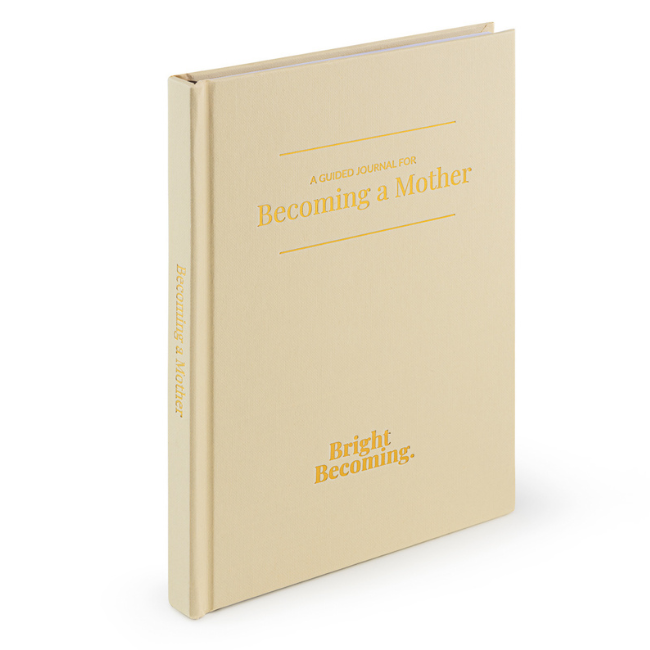
Guided Journals from Bright Becoming
Many people miss out on journaling’s potential benefits because it can be hard to keep up a daily practice. Our guided journals make it easier by focusing on specific life areas and themes, without the pressure of dated entries. This flexible approach means you can still experience the clarity, focus, and self-reflection that journaling offers — whether you write once a week or once a month. By providing structure through prompts, guided journals help you build a meaningful habit at your own pace.
What Makes Our Guided Journals Different
Deep, Focused Exploration Unlike general journaling prompts, our guided journals take a deep dive into specific life events and emotional areas. Each journal is designed around a clear theme, giving you a sense of purpose and direction throughout your journey.
Flexible and Non-Pressured Our journals are completely undated, allowing you to work at your own pace without the pressure of daily commitments. Whether you complete a journal in a week or spread it across several months, the structure remains supportive and accessible.
Comprehensive Yet Accessible Each journal contains carefully crafted unique prompts and targeted exercises that guide you through layers of reflection and discovery. The variety ensures you'll find approaches that resonate with your personal style of processing and expression.
Versatile Usage Options Our journals work beautifully as standalone deep-dive experiences or can be seamlessly incorporated into your existing journaling practice. They're designed for both regular journalers seeking focused exploration of specific areas and for those who haven't been able to maintain a consistent journaling habit.
Varied Response Formats Recognizing that people process differently, our journals offer multiple types of response options—from brief reflections to extended written exploration. This variety helps you discover which formats feel most natural and effective for your personal growth style.
Supportive Reflection Whether you’re prioritizing self-care on your own or exploring personal growth with the guidance of a professional, our journals offer a private space for reflection. They’re designed to encourage self-awareness and meaningful exploration, making them a flexible companion to your wellness journey.
Structured Deep Dives Each journal is organized into distinct sections that progressively guide you through different aspects of your chosen focus area. These carefully sequenced sections ensure you explore topics thoroughly while maintaining a sense of movement and progress.
The Bright Becoming Difference
Our guided journals recognize that meaningful change and insight often require focused attention on specific areas of life. Rather than broad, general prompts, we provide the structure and depth needed to create lasting awareness and growth. Whether this is your first attempt at journaling or you're an experienced writer seeking a more targeted approach, our journals offer the perfect balance of guidance and personal space for authentic self-discovery.
Conclusion
Guided journals represent a perfect bridge between the proven benefits of reflective writing and the practical need for structure and direction. They transform the sometimes daunting prospect of facing a blank page into an inviting opportunity for discovery and growth.
Whether you're seeking emotional healing, personal development, creative inspiration, or simply a better understanding of yourself, guided journals offer a supportive framework for exploration. They meet you where you are while gently encouraging you to venture into new territory of self-awareness and possibility.
The beauty of guided journals lies in their flexibility—they provide enough structure to keep you engaged and progressing, while still leaving ample room for your unique voice, perspective, and journey to emerge. They're not about finding the "right" answers, but about asking the right questions and creating space for authentic self-expression.
Research consistently shows that people who engage with structured journaling practices experience significant improvements in mental health, emotional regulation, and overall well-being. With guided journals, these benefits become accessible to everyone, regardless of their previous journaling experience or ability to maintain daily habits.
Ready to explore your thoughts with clarity and intention? Grab a guided journal that resonates with your current needs and let the carefully crafted pages guide your path toward greater self-understanding and personal growth. Your future self will thank you for taking this meaningful step toward deeper connection with your inner world.