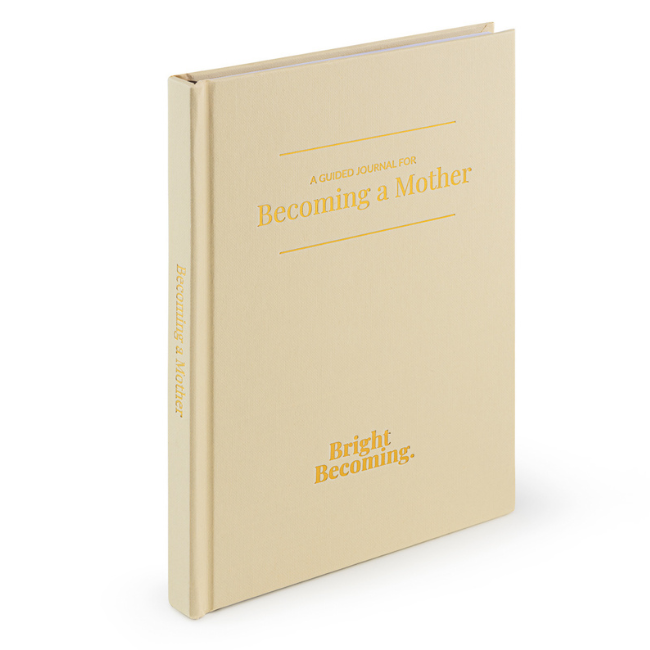
Guided journaling has transformed countless lives by providing structure and direction to the practice of self-reflection. But here's a powerful secret many journal writers overlook: the real magic often happens when you revisit your past entries. Learning how to review and analyze your previous journal reflections can unlock profound insights about your personal growth journey, reveal hidden patterns in your behavior, and accelerate your path toward meaningful change.
Whether you're using guided journals for specific life stages, emotional healing, or personal development, developing a systematic approach to reviewing your past entries will maximize the transformative power of your journaling practice.
The Transformative Value of Reviewing Past Guided Journals
Enhanced Self-Awareness Through Time
When you review past guided journal entries, you gain a unique perspective that's impossible to achieve in the moment. Time creates distance, allowing you to observe your thoughts, emotions, and reactions with greater objectivity. This perspective reveals:
- Emotional patterns you couldn't see while experiencing them
- Growth progress that felt invisible during daily struggles
- Recurring themes that highlight your core values and concerns
- Decision-making patterns that shape your life outcomes
Tracking Personal Growth and Progress
Guided journals naturally document your journey through specific challenges or life transitions. Regular review sessions transform these entries into a personal growth dashboard, showing you:
- How your responses to similar situations have evolved
- Which strategies and approaches have proven most effective
- Areas where you've made significant progress
- Patterns that may need continued attention
Building Self-Compassion and Confidence
Perhaps most importantly, reviewing past entries helps you recognize your resilience and capability. Seeing how you've navigated previous challenges builds confidence for future obstacles while fostering self-compassion for your ongoing journey.
Finding Inspiration to Begin Your Review Practice
Real-Life Transformation Stories
Consider Sarah, a working mother who started using guided journals during a career transition. Initially overwhelmed by uncertainty, her entries reflected anxiety and self-doubt. Six months later, reviewing those early pages revealed her gradual shift from fear to excitement as she identified her true passions and took concrete steps toward change. This recognition gave her the confidence to pursue an entirely new career path.
Or take David, who began journaling through guided prompts during relationship difficulties. Monthly reviews helped him identify communication patterns that were sabotaging his connections. By recognizing these recurring themes, he developed new approaches that transformed not just his romantic relationship but his friendships and professional relationships as well.
Personal Triggers for Starting Review Sessions
Many people discover the value of journal review through natural life moments:
- Anniversary dates of significant events or decisions
- Seasonal transitions that invite reflection on the past quarter or year
- Completing a guided journal and wanting to extract key insights
- Facing similar challenges and seeking wisdom from past experiences
- Feeling stuck and needing perspective on progress made
Setting Up Your Guided Journal Review Process
Creating the Ideal Review Environment
Successful journal review requires intentional preparation. Create a reflective space by:
Physical Environment:
- Choose a quiet, comfortable location free from distractions
- Gather your past guided journals and current writing materials
- Consider lighting a candle or playing soft background music
- Have tissues nearby—emotional insights can surface unexpectedly
Mental Preparation:
- Set aside adequate time (1-2 hours minimum for meaningful review)
- Approach the process with curiosity rather than judgment
- Prepare to encounter both challenging and celebrating moments
- Remember that all entries reflect valid experiences from your journey
Essential Tools and Resources
Digital Organization:
- Photo scanning apps for preserving physical journal pages
- Note-taking apps for capturing insights and patterns
- Calendar reminders for regular review sessions
- Digital folders organized by themes or time periods
Physical Organization:
- Colored tabs or sticky notes for marking significant entries
- A dedicated notebook for review insights and action plans
- Timeline charts for tracking progress across multiple areas
- Index cards for noting key themes and patterns

Strategic Selection: Which Entries to Revisit
Theme-Based Review Approaches
Life Stage Transitions: Focus on entries from periods of significant change—career shifts, relationship changes, moves, or family transitions. These entries often contain the richest insights about your adaptation strategies and resilience.
Emotional Challenges: Review entries from times of grief, anxiety, depression, or major stress. Look for coping mechanisms that helped, support systems you utilized, and signs of gradual healing or growth.
Goal-Setting Periods: Examine entries where you set intentions, made resolutions, or committed to changes. These reviews reveal your goal-setting patterns and the conditions that support or hinder your follow-through.
Time-Based Review Strategies
Monthly Themed Reviews: Each month, focus on entries from the same month in previous years. This approach reveals seasonal patterns in your emotional landscape and helps you prepare for recurring challenges or opportunities.
Quarterly Deep Dives: Every three months, review the previous quarter's entries while they're still fresh, looking for immediate patterns and course corrections.
Annual Comprehensive Reviews: Once yearly, review the entire year's journaling journey, creating a comprehensive picture of your growth and setting intentions for the year ahead.
The Two-Phase Review Process
Phase 1: Review and Reflect
Step 1: Initial Read-Through Begin with a complete read of selected entries without stopping to analyze. This overview creates context and emotional reconnection with your past self.
Step 2: Pattern Recognition During your second review, actively identify:
- Recurring emotional responses to similar situations
- Language patterns that reveal your mindset during different periods
- Relationships between external events and internal responses
- Evolution of your problem-solving approaches over time
Step 3: Critical Analysis Questions Ask yourself:
- What themes appear repeatedly across different entries?
- How have my responses to challenges changed over time?
- What insights did I gain that I might have forgotten?
- Which strategies or approaches served me well?
- What patterns might be holding me back?
Phase 2: Plan and Progress
Step 1: Insight Synthesis Create a comprehensive summary of your key discoveries, organizing them into categories:
- Strengths to leverage: Successful coping strategies and positive patterns
- Areas for growth: Patterns that may need adjustment or elimination
- Forgotten wisdom: Insights you gained but haven't been applying
- Future focus areas: Themes that deserve continued attention
Step 2: Action Plan Development Transform insights into concrete, actionable steps:
- Set specific, measurable goals based on your discoveries
- Design accountability systems to support new patterns
- Create triggers to help you remember and apply past wisdom
- Plan regular check-ins to assess progress on identified areas
Step 3: Integration Strategies Develop systems to integrate your insights into daily life:
- Morning affirmations based on recognized strengths
- Evening reflections incorporating new awareness
- Weekly planning sessions that consider past pattern insights
- Monthly mini-reviews to maintain momentum
Deep Analysis: Mining Gold from Different Entry Types
Celebrating Achievements and Progress
When reviewing entries that document achievements or positive milestones:
Recognition Strategies:
- Identify the specific actions and mindsets that contributed to success
- Note the support systems and resources that were most helpful
- Recognize your persistence and effort, especially during difficult periods
- Document successful strategies for future reference
Progress Amplification:
- Create a "wins inventory" from achievements both large and small
- Look for progress in unexpected areas you might have overlooked
- Identify character strengths that emerged during challenges
- Acknowledge growth in emotional regulation, relationships, or self-awareness
Learning from Unaccomplished Goals
Rather than viewing unfulfilled goals as failures, treat them as data sources for optimization:
Obstacle Analysis:
- What external factors interfered with goal achievement?
- Which internal barriers (fears, limiting beliefs, habits) created resistance?
- How realistic were the goals given your circumstances at the time?
- What support or resources were missing that might have made the difference?
Strategy Refinement:
- Break down large, unsuccessful goals into smaller, achievable steps
- Identify alternative approaches that might bypass previous obstacles
- Consider timing factors—some goals may need different seasonal approaches
- Develop contingency plans for likely obstacles based on past patterns
Capturing Ideas and Inspirations
Past journal entries often contain creative insights and inspirational moments that deserve revival:
Idea Archaeology:
- List creative projects or interests that excited you in the past
- Note solutions to problems that you generated but didn't implement
- Identify passion areas that might have been pushed aside by daily demands
- Capture insights about your life purpose or values that remain relevant
Innovation Opportunities:
- Combine old ideas with new perspectives for fresh approaches
- Consider how past inspirations might apply to current challenges
- Evaluate whether the timing is now right for previously premature ideas
- Use past creative insights as starting points for new projects
Real-World Examples and Transformative Case Studies
Case Study 1: Career Transition Through Journal Review
Maria, a marketing professional feeling unfulfilled in her corporate role, began using guided journals to explore her career dissatisfaction. Initially, her entries focused on daily frustrations and general unhappiness. After six months of journaling, she conducted her first comprehensive review.
The review revealed three crucial insights:
- Her most energetic entries occurred when she wrote about mentoring junior colleagues
- She consistently mentioned feeling most alive during creative strategy sessions
- Her values-based entries emphasized autonomy and meaningful impact
These patterns, invisible during day-to-day journaling, pointed toward a career in training and development. Maria used these insights to transition into corporate learning and development, eventually starting her own consulting firm. Without the journal review process, she might have remained stuck in unfulfilling work for years longer.
Case Study 2: Relationship Healing Through Pattern Recognition
James began guided journaling after a difficult divorce, initially focusing on processing anger and grief. After a year of regular entries, he decided to review his journey with an eye toward understanding his relationship patterns.
The review process revealed:
- A consistent pattern of avoiding difficult conversations until relationships reached crisis points
- Recurring themes about feeling misunderstood, often following periods where he hadn't clearly expressed his needs
- Evidence of gradual healing and increasing emotional regulation over the months
Armed with these insights, James entered his next relationship with greater self-awareness. He implemented regular "relationship check-ins" and practiced expressing needs before they became resentments. His current relationship, now three years strong, reflects the transformative power of learned self-awareness.
Case Study 3: Overcoming Creative Blocks Through Historical Inspiration
Emma, an artist struggling with creative blocks, used guided journaling to explore her relationship with creativity. During a particularly challenging period, she reviewed two years of entries and discovered something surprising.
Her most inspired and productive periods consistently followed times when she:
- Spent time in nature without digital devices
- Engaged with other artists' work through museum visits or gallery walks
- Maintained regular morning pages practice
- Limited social media consumption
This review helped Emma recognize that her current creative block coincided with abandoning these practices during a busy period. By reinstating her historically successful creative rituals, she broke through the block and produced some of her most acclaimed work.
Developing a Sustainable Review Habit
Creating Your Personal Review Rhythm
Weekly Mini-Reviews (15-20 minutes):
- Review the past week's entries for immediate insights
- Note any patterns or themes that emerged
- Adjust the upcoming week's intentions based on observations
- Celebrate small wins and progress indicators
Monthly Themed Reviews (1-2 hours):
- Focus on a specific theme, challenge, or goal area
- Review all relevant entries from the past month
- Compare with the same theme from previous months
- Create action items for the upcoming month
Quarterly Comprehensive Reviews (2-4 hours):
- Review all entries from the past three months
- Identify major patterns, growth areas, and insights
- Assess progress on quarterly goals and intentions
- Plan themes and focus areas for the upcoming quarter
Annual Deep-Dive Reviews (Full day or weekend):
- Comprehensive review of the entire year's journaling journey
- Create annual growth summary and insights report
- Set intentions and goals for the upcoming year
- Plan specific journaling focus areas for each upcoming quarter

Maintaining Motivation and Consistency
Progress Tracking Systems:
- Create visual progress charts for key growth areas
- Maintain a "insights gained" log to track learning
- Document positive changes attributed to journal review
- Share progress with accountability partners or support groups
Celebration Rituals:
- Acknowledge the completion of each review session
- Create special rituals around major review milestones
- Document breakthrough moments for future inspiration
- Share victories with supportive friends or family members
Conclusion: Your Journey of Self-Discovery Awaits
Learning to review and learn from past guided journal entries transforms simple self-reflection into a powerful engine for personal growth. This practice offers you the unique gift of perspective—the ability to see your journey with clarity, recognize your progress with pride, and identify opportunities with wisdom gained through experience.
The process requires patience, commitment, and self-compassion, but the rewards extend far beyond enhanced self-awareness. Regular journal review creates a feedback loop that accelerates personal growth, builds resilience, and helps you make more conscious choices aligned with your authentic self.
Your past entries contain treasures waiting to be discovered—insights that can illuminate your path forward, patterns that can guide better decisions, and evidence of your remarkable capacity for growth and adaptation. The question isn't whether you have valuable insights hidden in your past journaling; the question is when you'll begin the rewarding work of discovering them.
Additional Resources for Enhanced Journal Review Practice
Recommended Reading
- "The Artist's Way" by Julia Cameron - For understanding the power of morning pages and creative recovery
- "Atomic Habits" by James Clear - For implementing insights into sustainable behavior change
- "Self-Compassion" by Kristin Neff - For maintaining kindness toward yourself during the review process
Professional Support
- Journaling workshops and retreats for guided review experiences
- Therapy or coaching to process difficult insights that emerge
- Writing groups focused on personal growth and reflection
- Online communities dedicated to journaling and self-development
Discover Your Perfect Guided Journal for Every Life Stage
Ready to enhance your journaling journey with structure and guidance? Explore Bright Becoming's comprehensive range of guided journals, each designed for specific life stages and emotional challenges. Whether you're navigating career transitions, relationship changes, grief, anxiety, or personal growth, our carefully crafted journals provide the prompts and framework to support your reflection and growth.
Start your transformative journaling journey today—because every stage of life deserves thoughtful reflection and intentional growth.